Health and Safety Policy for Gardeners
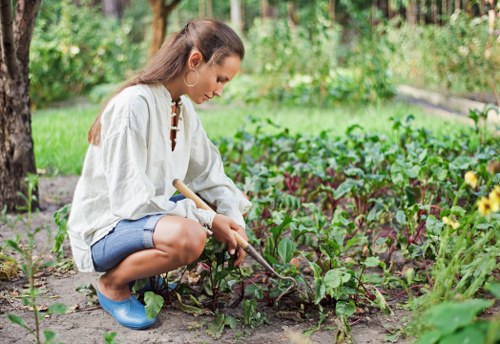 This health and safety policy sets out how gardeners working in Cockfosters and similar environments can carry out outdoor work safely, responsibly, and with due care for clients, colleagues, visitors, and the public. The aim is to reduce risk across routine garden maintenance, planting, pruning, lawn care, and seasonal site preparation while supporting a consistent culture of safe working. All gardening activities should be planned with hazard awareness, appropriate supervision, and practical controls that match the task.
The policy applies to all work activities, whether performed at private homes, managed grounds, commercial premises, or shared outdoor spaces. It covers physical hazards, use of tools and machinery, manual handling, slips and trips, exposure to weather, and environmental risks. Every gardener should understand that safety is not separate from quality; it is an essential part of delivering a professional service. A well-run gardening service depends on clear responsibilities, competent staff, and careful attention to conditions on site.
Before any task begins, a suitable assessment should be made of the area, the equipment required, and any changes in weather, access, or ground conditions.  This includes checking for hidden obstacles, unstable surfaces, sharp debris, animal waste, uneven steps, and nearby utilities. Risk reduction should be based on practical judgement and the principle of working only when conditions are safe enough to do so. If a task cannot be completed safely, it should be paused and reviewed rather than rushed.
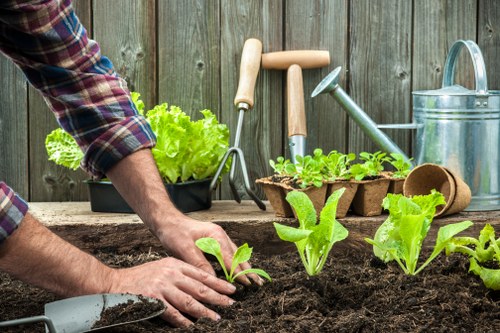 All staff involved in gardening work must be appropriately trained for the tasks they perform. Training should include safe use of hand tools, hedge cutters, lawn equipment, and any powered machinery, along with instruction on fuel handling, blade safety, and safe storage. Competence must be checked regularly, especially when workers are introduced to unfamiliar equipment or methods. A reliable garden maintenance safety approach depends on skill, awareness, and the willingness to ask for help when needed.
Personal protective equipment should be selected according to the job and worn correctly. This may include gloves, safety footwear, eye protection, hearing protection, high-visibility clothing, and weather-appropriate layers. PPE is not a substitute for safe systems of work, but it is an important final barrier against harm. Workers should inspect protective items before use and replace damaged gear promptly. Where tasks involve cutting, lifting, or working close to obstacles, extra caution is always required.
Manual handling is a major concern in gardening, especially when moving bags of soil, pots, paving, waste materials, or machinery. To reduce strain, workers should assess load size, use correct lifting techniques, and seek assistance for awkward or heavy items. Wheeled aids, trolleys, and segmented loads can help lower the risk of injury. 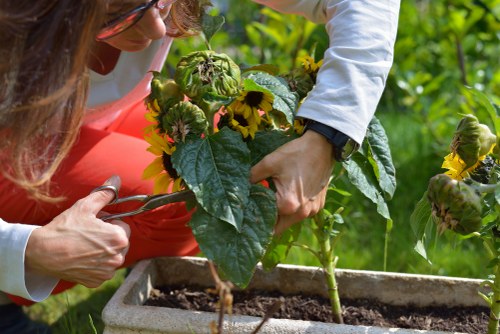 Good housekeeping also plays a role: keeping paths clear, storing items properly, and removing waste regularly helps prevent trips and falls.
Weather conditions can change work risk significantly. Heat, cold, rain, wind, and low light all affect safe performance. On hot days, hydration, shade breaks, and reduced exposure are important. In wet or icy conditions, slipping hazards increase, so surfaces should be assessed before walking or operating machinery. During windy weather, loose materials, branches, and debris may become dangerous. 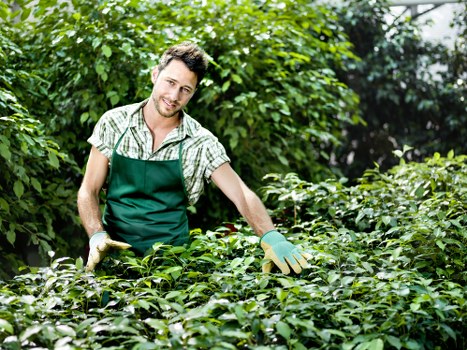 A sensible gardeners safety policy should allow work to be delayed or rescheduled when weather creates unnecessary danger.
Tool and machinery safety must remain a priority at all times. Equipment should be maintained in good working order, with regular checks for wear, loose parts, blunt blades, damaged cords, or fuel leaks. Guards and safety devices should never be removed or bypassed. Only suitable tools should be used for each task, and they should be shut down before cleaning, clearing blockages, or adjusting parts. Safe storage after use prevents unauthorised access and reduces accident risk.
Environmental care is also part of safe gardening practice. Plants, waste, and treated materials should be handled in a way that avoids contamination and protects surrounding areas. Where pesticides, fertilisers, or other substances are used, instructions must be followed carefully and exposure minimised. Careful product handling reduces risk to workers, pets, and the wider environment. A responsible health and safety policy for gardeners supports both personal safety and sustainable site care.
Emergency readiness is essential. Staff should know how to respond to cuts, falls, electric shock, heat stress, and other common incidents. First aid equipment should be available where appropriate, and serious events should be reported promptly through the correct internal process. Workers should understand when to stop work, when to seek medical help, and how to make an area safe until the situation is resolved. Clear reporting helps prevent repeat incidents and improves future planning.
Communication is a vital control measure. Before work starts, any relevant risks should be shared with the team, and changes during the job should be reported immediately. This includes unexpected hazards, damaged equipment, access restrictions, or concerns about public interference. The person leading the task should ensure that everyone understands their responsibilities and that work areas are managed sensibly. A strong gardening health and safety culture depends on openness, consistency, and accountability.
Reviewing and updating the policy is necessary to keep it effective. Procedures should be checked after incidents, after changes in working methods, and on a regular schedule to ensure they remain suitable. Lessons learned should be used to improve safe systems, training, and supervision. By maintaining high standards and treating safety as part of everyday work, gardeners can deliver reliable services while protecting themselves and others from avoidable harm.